Summary & Deep Analysis
1. Eight dead in Delhi’s worst terror attack in 14 years after car explosion near Red Fort Metro Station on November 9, marking India’s first major bombing since the 2011 High Court attack.
2. Timing raises terror probe links: Blast occurred hours after Haryana Police arrested a Kashmiri doctor with 360kg ammonium nitrate and weapons, uncovering a “white-collar terror network” allegedly connected to Pakistan-based groups.
3. Red Fort symbolism: Attack targets India’s most iconic monument and symbol of post-colonial sovereignty where PM delivers Independence Day addresses, carrying profound psychological weight beyond casualty figures.
4. National security mobilization: Delhi, Mumbai, Uttar Pradesh, Maharashtra, and Rajasthan placed on high alert with CISF deploying enhanced measures at airports, metro stations, and heritage sites nationwide.
5. Economic shockdown: Chandni Chowk market closure, tourism sector disruption, and potential foreign tourist cancellations signal broader economic implications for Delhi’s hospitality and retail sectors.
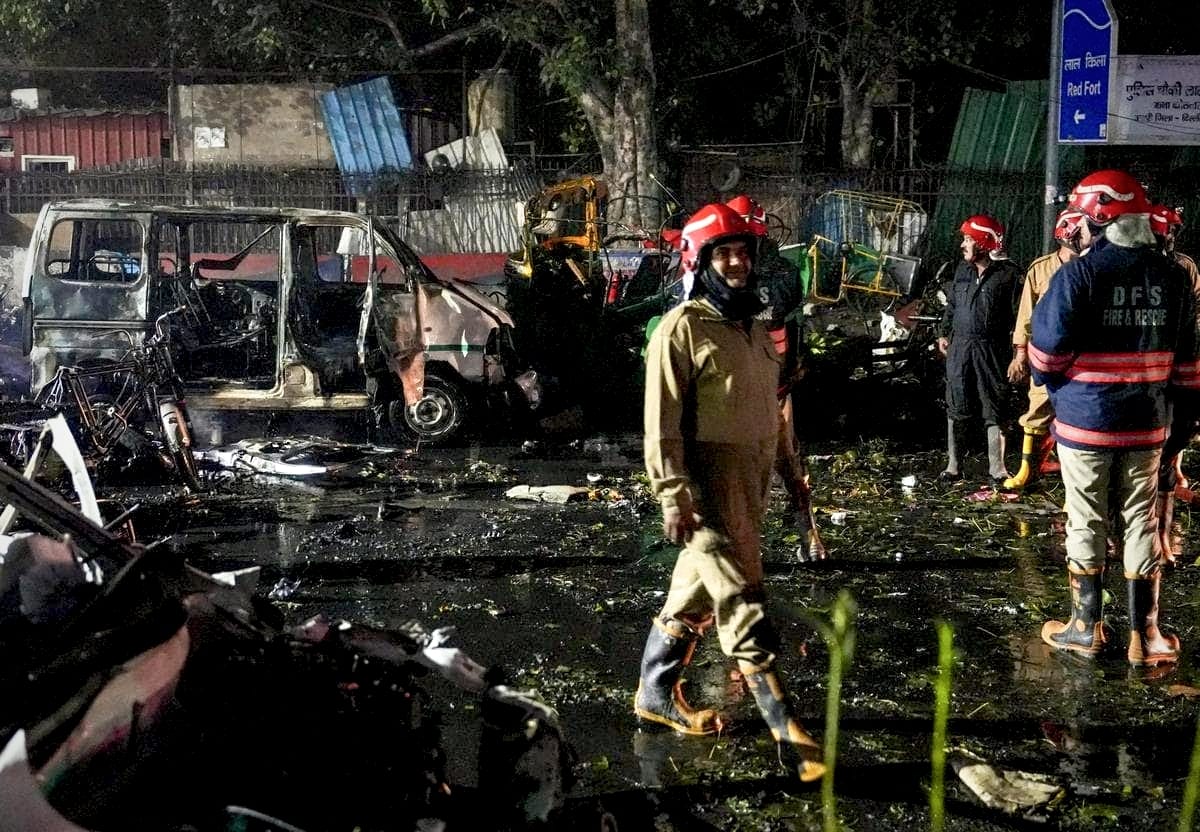
India’s security establishment faces its gravest challenge in over a decade following the devastating car bomb explosion near Delhi’s Red Fort that claimed at least eight lives and injured 24 others on November 9, 2025. The attack, occurring at 6:52 PM at the Subhash Marg traffic signal near Gate 1 of the Red Fort Metro Station, detonated a Hyundai i20 sedan during evening rush hour in one of Old Delhi’s most densely populated commercial corridors.
The explosion’s timing proves particularly alarming when examined against recent counter-terrorism operations. Mere hours before the blast, Haryana Police—coordinating with Jammu and Kashmir authorities—arrested Dr. Muzammil Shakeel, a Kashmiri doctor, following discovery of approximately 360 kilograms of ammonium nitrate, assault rifles, pistols, and detonation timers in his Faridabad residence. Authorities described this as dismantling a “white-collar terror network” allegedly connected to the banned outfit Jaish-e-Mohammed (JeM). Combined with simultaneous arrests in Gujarat involving approximately 2,900 kilograms of additional explosive materials, investigators suspect coordinated terror planning across northern India
The Red Fort’s symbolic significance amplifies this incident’s psychological impact beyond casualty figures. Built by Mughal Emperor Shah Jahan in the 17th century, the fort represents Indian sovereignty and national pride. Since independence, it has hosted the Prime Minister’s annual Independence Day addresses on August 15. An attack at this location strikes at India’s post-colonial identity, reminiscent of the symbolic weight carried by the 2001 Parliament attack targeting India’s legislative heart.
The investigation’s complexity reflects modern terrorism’s evolution. Forensic teams are analyzing explosive residue composition, examining hundreds of hours of CCTV footage, and tracing the vehicle’s ownership trail through Gurgaon and Southeast Delhi’s Badarpur area. The discovery of the “white-collar terror network” involving educated professionals—university faculty and practicing physicians—signals troubling radicalization patterns previously considered low-risk in India’s professional classes.
Economic ramifications extend beyond immediate disruption. The Red Fort attracts 22.01 lakh (2.2 million) domestic visitors annually; Chandni Chowk market—directly opposite the blast site—announced closure Tuesday as panicked traders expressed security concerns. Foreign tourist advisories from the U.S. Embassy could significantly impact Delhi’s international tourism receipts and hospitality sector recovery.
Three critical challenges now confront Indian authorities: completing a thorough forensic investigation, determining whether to escalate response mechanisms if Pakistan-based groups are implicated, and addressing intelligence gaps that allowed explosive materials into India’s capital despite heightened security around symbolic locations.
The 14-year gap without major terror attacks in Delhi had created collective amnesia about earlier bombing campaigns. Monday’s explosion has shattered that fragile sense of security, reminding Indians that urban terrorism remains an ongoing threat requiring sustained vigilance, intelligence cooperation, and diplomatic complexity.