A sharp drop in food prices drives headline inflation below the RBI’s tolerance band—an unexpected relief with nuanced implications for policymakers, consumers, and investors alike.
India’s retail inflation has plummeted to approximately 1.6% in July—its lowest since 2017—propelled by dramatic declines in vegetable and pulse prices. As the number rattles policymakers and intrigues markets, the broader economy braces for its possible ripple effects across monetary policy, rural incomes, and investor sentiment.
Market Overview
In July 2025, retail inflation in India tumbled to a stunning eight-year low of around 1.55–1.6% year-on-year, driven predominantly by steep drops in food prices—particularly vegetables, pulses, and cereals IBEF+13Reuters+13Reuters+13. This marks the ninth consecutive month of easing consumer price pressure Stocktwits+1.
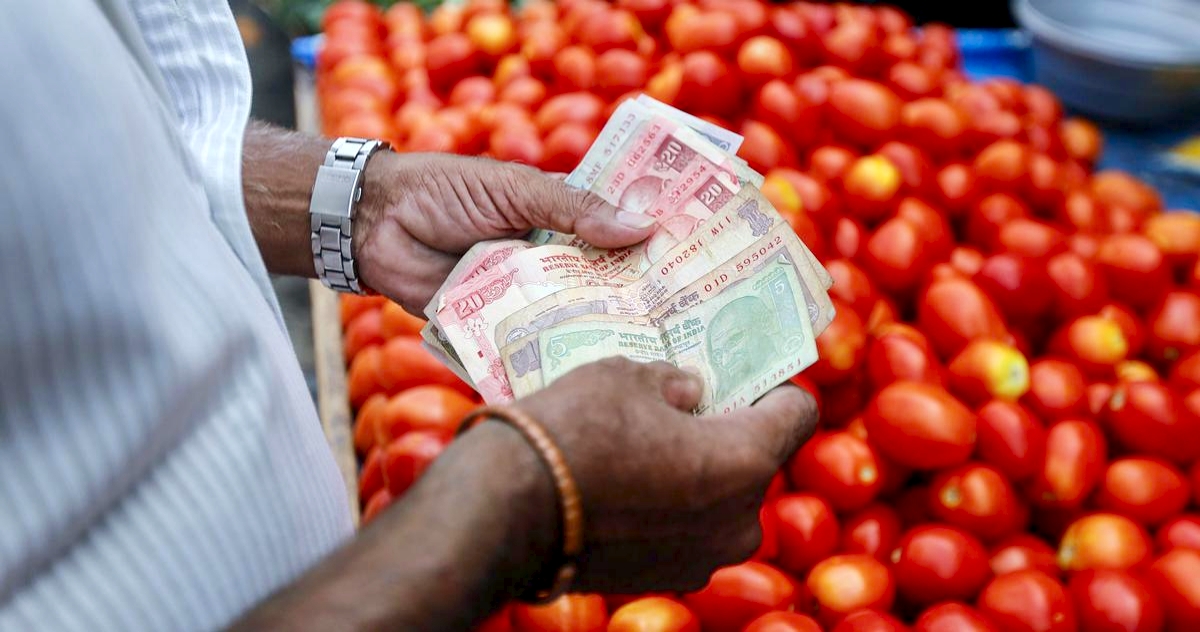
Food inflation entered deflationary territory, shrinking by about 1.76%, with vegetables plunging by nearly 20–21% and pulses by 13–14% IBEF+9Reuters+9India Today+9. Meanwhile, core inflation—excluding volatile food and energy components—remained sticky around 4%–4.12%, signaling resilient underlying demand Reuters+5Reuters+5India Today+5.
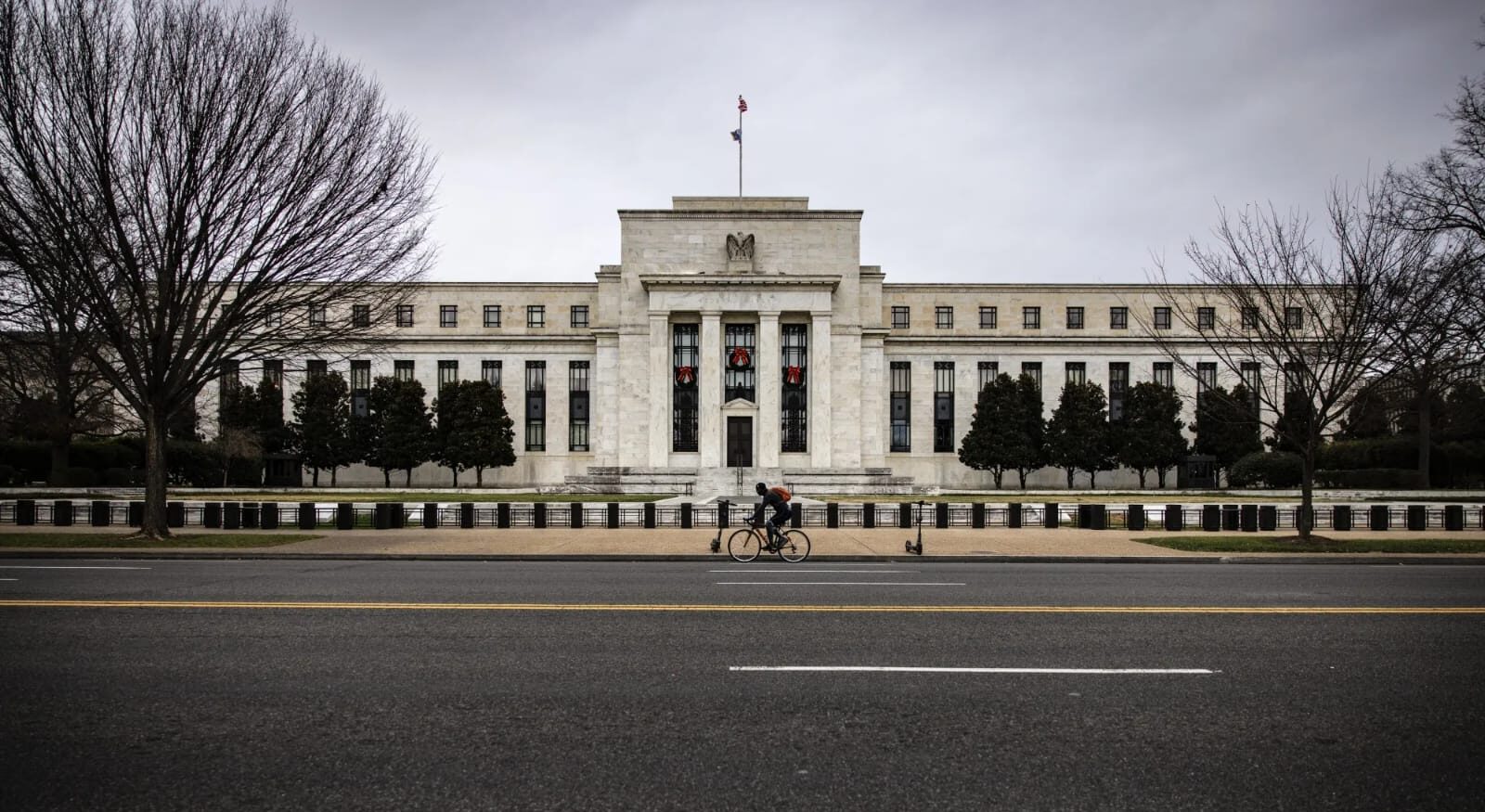
The Reserve Bank of India has held its benchmark rates steady, revising its FY26 CPI forecast down to 3.1% from 3.7%, while signaling a neutral stance—cautious of temporary disinflation driven by food prices Reuters+9Reuters+9Stocktwits+9. Bond markets, however, are signaling an extended pause in rate cuts, with the spread between 10-year yields and the repo rate near its highest of 2025, dampening expectations of near-term easing The Economic Times.
According to analysts:
Kunal Kundu (India Economist, Societe Generale, Bengaluru) observes, “India’s headline inflation dropped below the RBI’s target band […] printed at 1.6% YoY,” driven by base effects, and forecasts further room for two rate cuts, assuming inflation remains subdued Reuters+5Reuters+5The Economic Times+5.
Radhika Rao (Senior Economist, DBS Bank, Singapore) warns that “base effects will wane and inflation could exceed 4% by early 2026,” limiting the scope for policy easing Reuters+1.
Madan Sabnavis (Chief Economist, Bank of Baroda, Mumbai) maintains a muted outlook on policy impact, stating “inflation numbers are on expected lines” and citing limited implications for immediate RBI action The Times of India+4Reuters+4Reuters+4.
Aditi Nayar (Chief Economist, ICRA, Gurugram) anticipates inflation to tick up to around 2% in August, and forecasts 3.0‑3.2% average for FY2026—suggesting more moderate price pressure ahead Reuters+1.
Sujan Hajra (Chief Economist & Executive Director, Anand Rathi Group, Mumbai) sees policy space for more easing but cautions that low inflation may dampen GDP, revenue, and credit growth even as it supports equities and bonds Reuters+1.
Upasna Bhardwaj (Chief Economist, Kotak Mahindra Bank) notes that while food-led disinflation helps consumers, “higher real rural wages, good summer sowing, and the expected robust crop arrivals should offset the impact” for farmers Reuters.
Impact on Investors
Equities & Markets:
Indian markets opened higher following global soft inflation cues and the domestic disinflation surprise. The Nifty 50 gained around 0.3%, with sweeping gains across sectors, while small- and mid-caps surged nearly 0.5% Reuters. The disinflation brightened expectations for sustained consumption demand and manageable input costs.
Bonds & Fixed Income:
Despite benign inflation, bond markets appear skeptical of swift rate cuts. The widening gap between 10-year yields and the repo rate reflects market expectations of a prolonged pause in rate reductions PolymerupdateThe Economic Times. However, softer inflation creates favorable conditions for shorter-duration debt instruments.
Policy Landscape:
With headline inflation below the RBI’s 2–6% range and below its 4% median target, policymakers gain breathing room. Yet, persistent core inflation and volatile food prices temper expectations of aggressive easing The Economic Times+2The Economic Times+2.
Rural & Consumer Impacts:
Consumers enjoy relief via lower food bills. But farmers feel the heat as incomes from key staples shrink. Analysts like Bhardwaj suggest improved rural wages and robust sowing may cushion the blow Reuters.
Conclusion
India’s July inflation print—hovering between 1.55% and 1.6%—offers a rare window of relief in nine months of easing price pressures. While headline numbers bring respite, they mask a complex reality: stubborn core inflation, fragile farm incomes, base effects, and external trade tensions temper optimism.
For investors, the environment is cautiously favorable: equity markets rally on positive momentum, while fixed income finds a soft backdrop—though bond markets signal caution on policy shifts. As India navigates this transient lull in inflation, the path ahead for monetary policy, rural recovery, and household budgets remains finely poised.