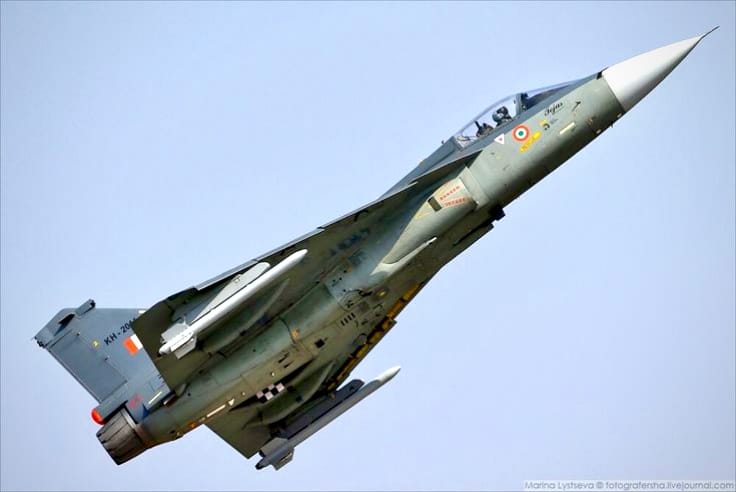
The Ministry of Defence has signed a landmark contract worth ₹62,370 crore with Hindustan Aeronautics Limited (HAL) for the procurement of 97 Light Combat Aircraft (LCA) Tejas Mk1A fighter jets, marking India’s largest indigenous fighter aircraft order to date. This mega defence deal, finalized on September 24, 2025, comprises 68 single-seat fighters and 29 twin-seat trainer variants, along with associated equipment, reinforcing India’s commitment to self-reliance in defence manufacturing under the Atmanirbhar Bharat initiative.
The contract represents a significant expansion of HAL’s order book, with delivery schedules spanning six years beginning in fiscal year 2027-28. This follow-on order complements HAL’s previous ₹48,000 crore contract for 83 LCA Mk1A jets signed in January 2021, bringing the total Tejas commitment to 180 aircraft and establishing the program as one of India’s most substantial indigenous defence manufacturing initiatives. The contract signing comes after approval from the Cabinet Committee on Security in August 2025, demonstrating strong government backing for domestic aerospace capabilities
The LCA Tejas Mk1A represents a significant technological advancement over its predecessors, featuring over 64% indigenous content with 67 additional locally sourced components compared to the previous contract. Key specifications include the integration of the indigenous UTTAM Active Electronically Scanned Array (AESA) radar, Swayam Raksha Kavach electronic warfare suite, and advanced control surface actuators powered by the GE F404-IN20 engine producing 85 KN thrust with afterburner. The aircraft can achieve speeds of 1.6 Mach and handle G-forces of +8g/-3.5g, making it suitable for air defence, strike missions, and maritime reconnaissance roles.
This defence contract holds immense strategic importance for the Indian Air Force’s modernization program, particularly as it seeks to replace aging MiG-21 aircraft while strengthening indigenous manufacturing capabilities. The project is supported by nearly 105 Indian companies directly engaged in the supply chain, with an estimated 11,750 direct and indirect jobs created annually over the contract duration. HAL is also negotiating a complementary $1 billion deal with General Electric for 113 F404-IN20 engines, expected to be finalized by October 2025, ensuring adequate powerplant supply for the expanded Tejas fleet.
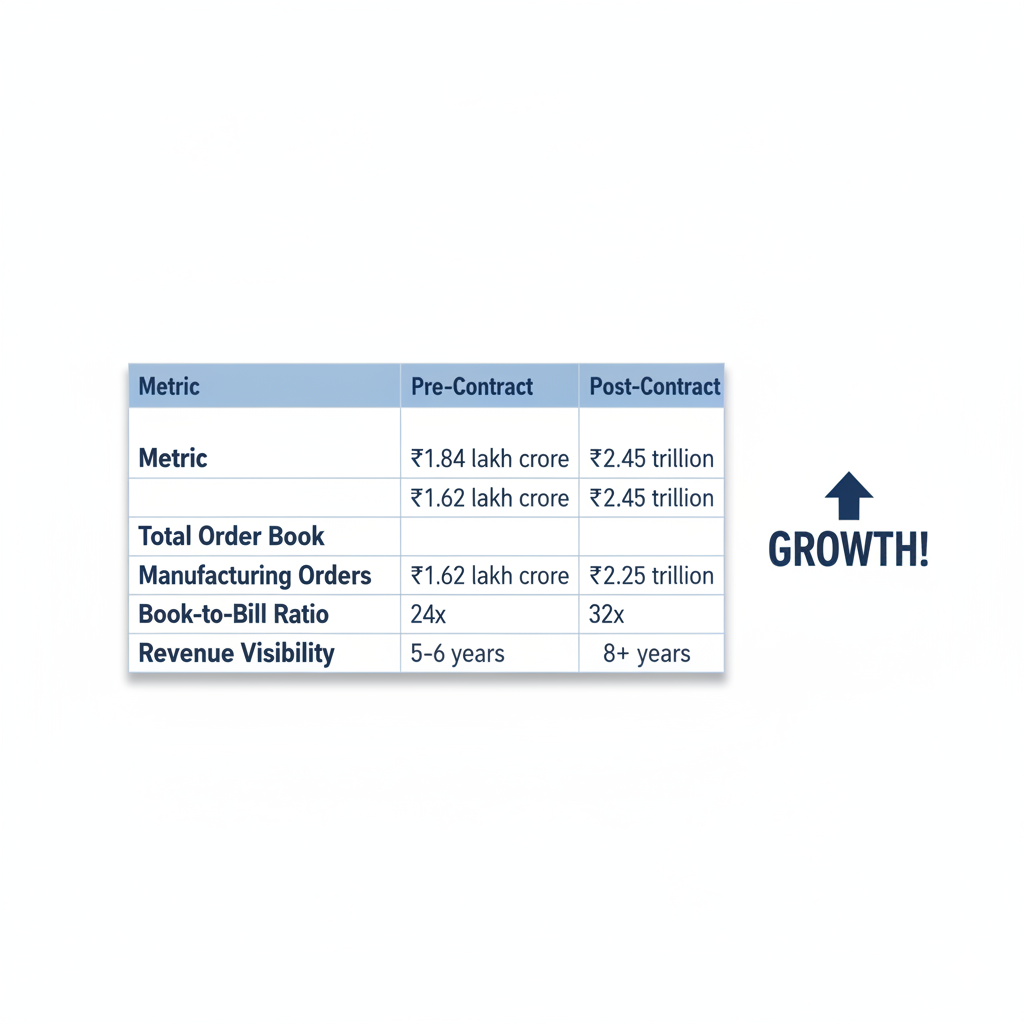
HAL’s financial outlook has been significantly strengthened by this contract award, with analysts projecting the company’s total order book to reach ₹2.45 trillion by the end of Q2FY26, including ₹2.25 trillion in manufacturing orders alone. This translates to a remarkable book-to-bill ratio of 32x based on FY25 revenue, providing exceptional revenue visibility over the medium term. Market response has been positive, with HAL shares gaining 2.2% to ₹4,827.95 following the announcement, extending the stock’s impressive 15% year-to-date performance in 2025
The defence sector’s growth trajectory under Make in India has been remarkable, with production values reaching a record ₹1.5 lakh crore in FY 2024-25, representing an 18% increase from the previous year and a staggering 174% rise since 2014-15. Defence exports have surged from ₹686 crore in FY 2013-14 to ₹23,622 crore in FY 2024-25, marking a 34-fold increase that positions India as an emerging global defence manufacturing hub. The government has set ambitious targets of achieving ₹3 lakh crore in defence production and ₹50,000 crore in exports by 2029, supported by robust policy frameworks favoring indigenous manufacturing.pib+2youtube
In global context, the LCA Tejas Mk1A program represents India’s strategic response to regional security challenges while competing with established platforms like Sweden’s Gripen, America’s F-16, and China-Pakistan’s JF-17 Thunder. The aircraft’s indigenous content of over 64% surpasses many competing programs and positions India favorably in the international fighter aircraft market, with several countries expressing interest in potential exports. HAL’s production capacity expansion, including a ₹2,000 crore investment to achieve 30 jets annually by 2027, demonstrates the company’s commitment to meeting domestic and potential export demands
Defence analysts and retired Air Force officials view this contract as a watershed moment for India’s aerospace industry, validating decades of investment in indigenous design and development capabilities. The successful integration of advanced systems like the UTTAM radar and electronic warfare suites demonstrates India’s growing technological sophistication in critical defence technologies. Industry experts anticipate this order will catalyze further investments in the aerospace ecosystem, potentially attracting international partnerships and technology transfers.ndtvprofit+3
For retail investors, HAL presents a compelling long-term investment opportunity backed by substantial order visibility and India’s growing defence manufacturing sector. Analysts have set price targets ranging up to ₹6,220, representing significant upside potential from current levels, driven by expectations of stronger revenue growth, higher margins from indigenous content, and expanding export opportunities. The stock’s current trading multiple of 29x FY27 earnings appears reasonable given the company’s dominant market position and robust order book.
Quick Investor Checklist:
- Delivery Pace Monitoring: Track HAL’s ability to meet the 2027-28 delivery timeline and maintain production schedules across both Tejas contracts
- Margin Expansion: Watch for improving profit margins as indigenous content increases and economies of scale kick in from higher production volumes
- Export Potential: Monitor international interest and potential export orders that could further expand HAL’s revenue base beyond domestic requirements
HAL Order Book Comparison:
Retail Watch: This mega defence deal represents a win-win scenario for Indian taxpayers and investors alike, as it strengthens national security through indigenous capabilities while creating substantial economic value through job creation, technology development, and export potential. The contract validates India’s defence manufacturing strategy and positions HAL as a key beneficiary of the country’s push toward self-reliance in critical technologies.pib+3
The ₹62,370 crore HAL contract represents a pivotal moment in India’s defence manufacturing journey, combining strategic necessity with commercial opportunity. While the deal promises substantial benefits through indigenous capability building, job creation, and technological advancement, successful execution remains paramount for realizing these gains. HAL’s track record with the previous Tejas contract, including delivery delays due to engine supply issues, underscores the importance of robust supply chain management and quality execution in this expanded program. However, with resolved engine supply chains and strengthened vendor ecosystems, this contract positions India firmly on the path toward defence self-reliance while offering compelling investment opportunities in the burgeoning aerospace sector.