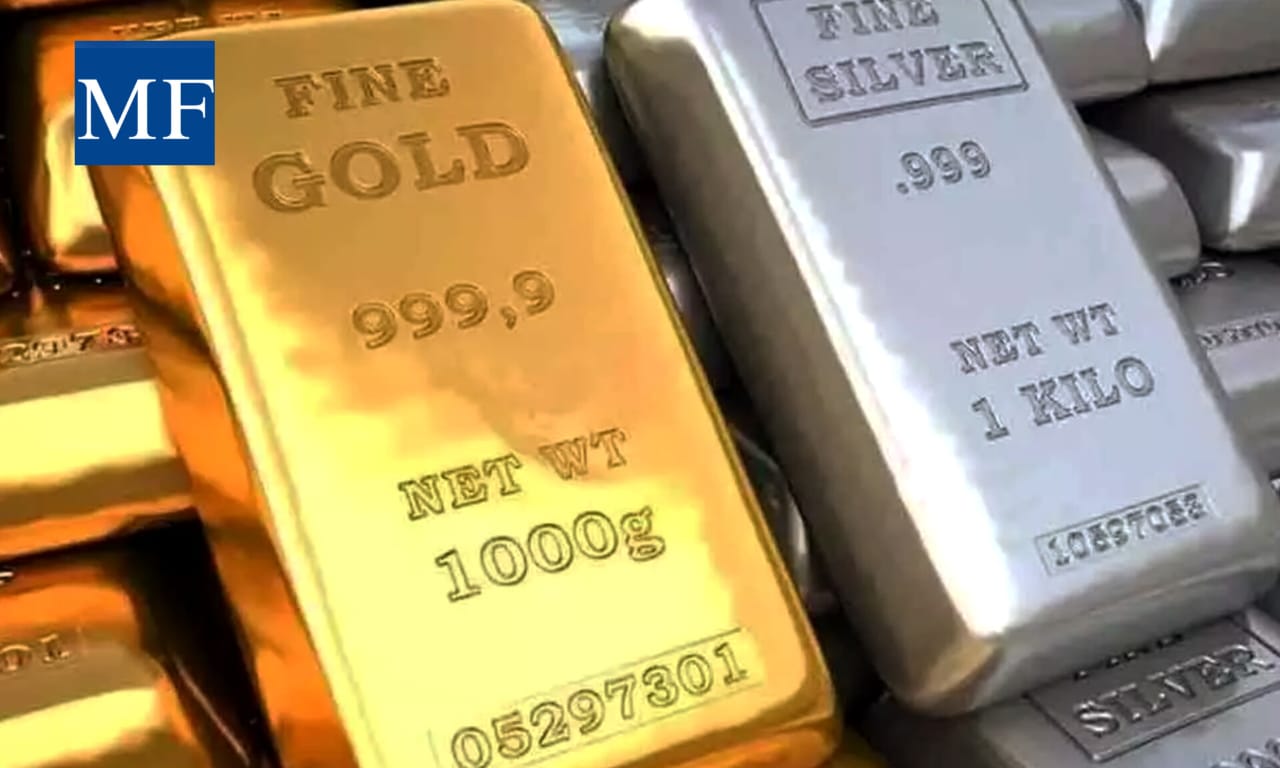
Bullion’s upward momentum holds strong, with gold at ₹109,356 and silver at a new high of ₹128,840, driven by geopolitical uncertainty and a softening US dollar.
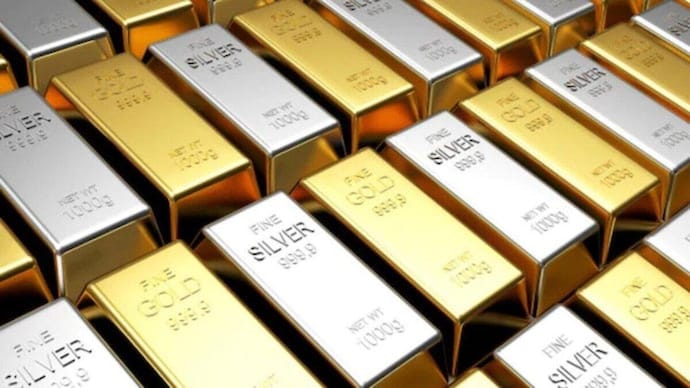
In a powerful demonstration of their enduring safe-haven appeal, gold and silver prices have sustained their multi-month rally, holding firm at near-record levels. On the Multi Commodity Exchange (MCX), gold futures are trading at ₹109,356 per 10 grams, while silver has climbed to a new all-time high of ₹128,840 per kilogram. This bullish trend is not confined to India’s domestic market; it mirrors a similar upswing on global exchanges like COMEX. The latest surge is primarily fueled by a potent mix of global economic and geopolitical factors, led by rising expectations of a US Federal Reserve interest rate cut, which is making non-yielding assets like bullion more attractive to investors.
This upward trajectory marks a significant shift from a year ago. As per data from India Bullions, domestic gold prices have surged by nearly 50% in the last 12 months, while silver has delivered an even more spectacular return of over 44% in the same period. The sustained momentum suggests that the rally is not a short-term blip but is underpinned by strong structural drivers. For Indian retail investors and traders, this environment presents both opportunities and the need for a cautious, well-informed approach.
Domestic vs. Global Prices
The price trends on India’s MCX are closely correlated with international movements on COMEX, but are also influenced by the INR-USD exchange rate. A weakening rupee amplifies gains for domestic investors as it makes imported bullion more expensive in local currency terms.
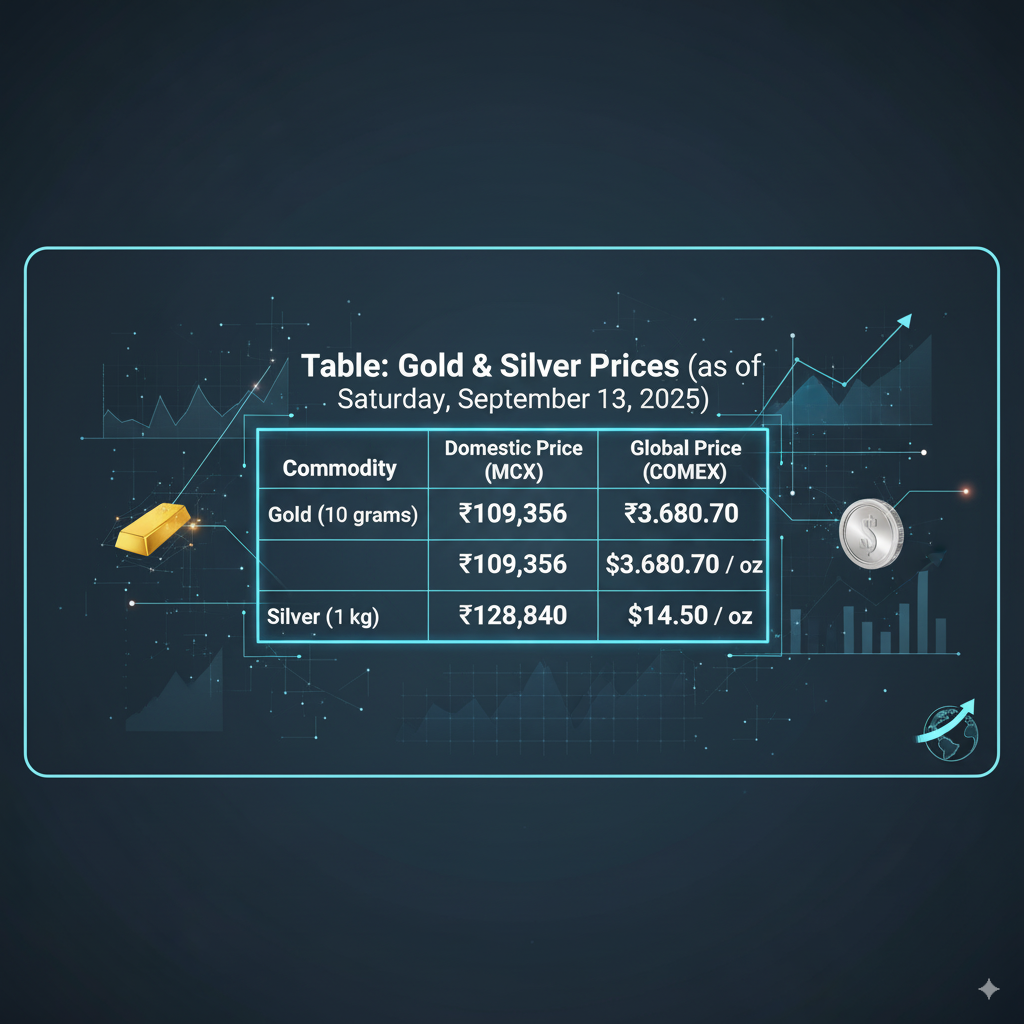
As the table illustrates, the domestic prices reflect the global trend. On COMEX, gold has been trading around $3,680 per ounce, holding its ground after hitting a record high of $3,715 earlier in the week. Silver, meanwhile, has broken through the $42 per ounce mark, hitting its highest level since 2011. This synchronization underscores how global sentiment is the primary force behind the rally.
Key Drivers of the Bullion Rally
Several fundamental factors are converging to create this bullish environment for precious metals:
US Federal Reserve Rate Cut Expectations This is the most significant short-term driver. Recent weak US labor market data, including a sharp slowdown in non-farm payrolls and a jump in the unemployment rate to a near four-year high, has solidified market expectations of a rate cut at the upcoming FOMC meeting. Lower interest rates decrease the opportunity cost of holding non-yielding assets like gold and silver, making them more attractive compared to bonds or money-market instruments.
Geopolitical Tensions: The ongoing geopolitical uncertainty, including the Russia-Ukraine war and rising trade protectionism between major economies, continues to drive demand for safe-haven assets. When confidence in traditional financial systems or global stability wavers, investors naturally turn to gold as a store of value.
Weakening US Dollar: The US Dollar Index (DXY) has slipped to a multi-week low, which makes dollar-denominated commodities cheaper for international buyers. This inverse relationship has been a consistent tailwind for bullion prices.
Silver’s Dual Role: While gold benefits primarily from safe-haven demand, silver’s rally is powered by its dual role as both a precious and an industrial metal. Demand from rapidly growing sectors like solar panels, electric vehicles, and 5G networks is creating a structural supply deficit, which is pushing prices higher. According to the Silver Institute, global demand has outpaced supply for four consecutive years, with this trend expected to continue.
Central Bank Buying: An often-overlooked but powerful driver is the aggressive gold buying by central banks, particularly in emerging economies like China, Turkey, and India. Central banks have been diversifying their reserves away from the US dollar, and their consistent, large-scale purchases are providing a strong, structural price floor for gold.
Demand Trends and Investor Sentiment
On the demand front, there is a clear distinction between investment and physical consumption. Investment demand remains extremely strong, as evidenced by significant inflows into gold and silver Exchange-Traded Funds (ETFs). For example, gold ETF assets under management (AUM) surged by nearly 96% over the last year, while silver ETFs have seen record inflows. This indicates a strong institutional and long-term investor appetite.
However, the picture for physical demand from the jewellery sector is mixed. With prices at all-time highs, many Indian consumers and jewellers are adopting a “wait and watch” approach, hoping for a price correction. High prices may temper traditional jewellery buying during the upcoming festive and wedding seasons, though investment in coins and bars remains robust. This suggests a cautious approach from price-sensitive retail buyers, even as long-term investors continue to accumulate.
Expert Commentary and Outlook
Commodity market experts are largely bullish on the outlook for both precious metals. Jigar Trivedi, Senior Research Analyst at Reliance Securities, remains bullish on the near-term outlook for gold and silver, projecting MCX gold to target ₹112,000 per 10 grams and silver to hit ₹130,000 per kg. He also cautions that the sharp run-up may trigger bouts of technical correction.
Manoj Kumar Jain of Prithvifinmart Commodity Research highlights the long-term potential, suggesting that prices could test ₹1,60,000 per kg for silver by the end of 2026 and ₹2,00,000 by 2028, citing its role as an industrial powerhouse. Another expert, Anuj Gupta, a SEBI-registered commodity expert, advises a “buy on dips” strategy, expecting gold to touch ₹1,15,000 by the end of 2025 due to central bank buying and geopolitical uncertainties.
The consensus among analysts is that the bullish trend is likely to continue in the medium to long term, supported by fundamental drivers. However, prices are expected to remain volatile in the short term, with key data points like US inflation reports and the US Fed’s monetary policy decisions acting as catalysts.
What This Means for Indian Retail Investors
For Indian retail investors, the current environment presents an opportunity to diversify their portfolio and hedge against inflation and market volatility. While gold has long been a traditional safe-haven asset, silver’s dual role as both a precious and industrial metal makes it a compelling investment. Experts suggest a portfolio allocation of 5-10% to precious metals as a strategic hedge. Investors should consider a “buy on dips” approach rather than chasing the rally. For those seeking exposure without the hassle of physical storage, gold and silver ETFs offer a convenient and cost-effective alternative.