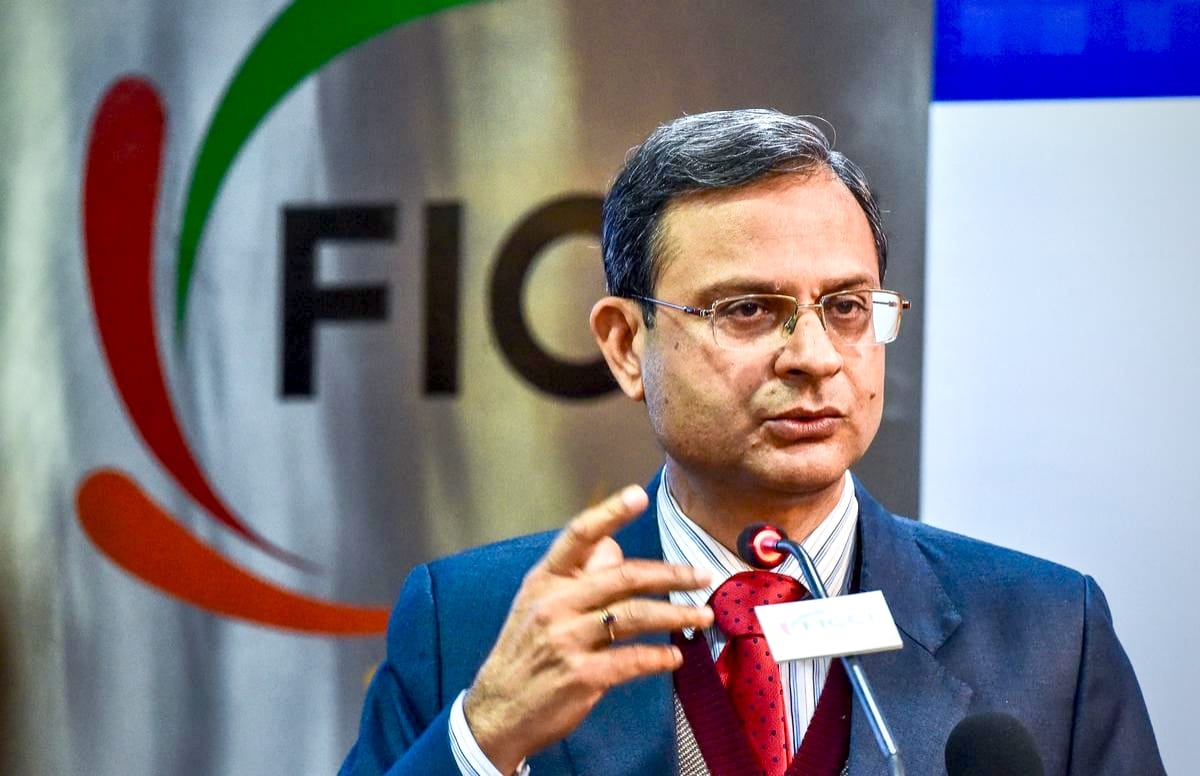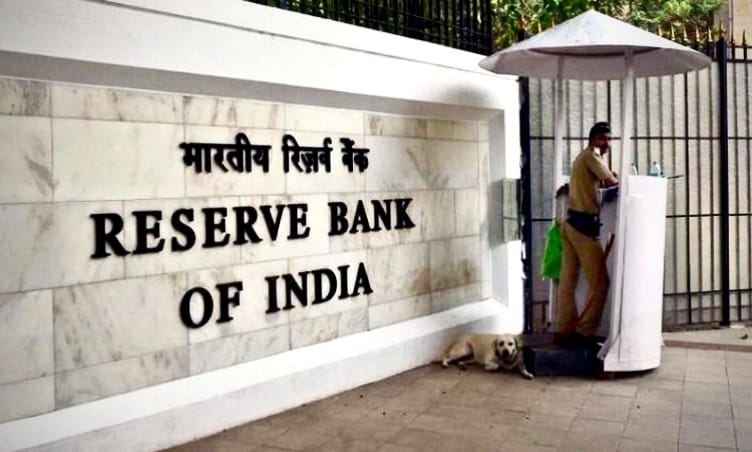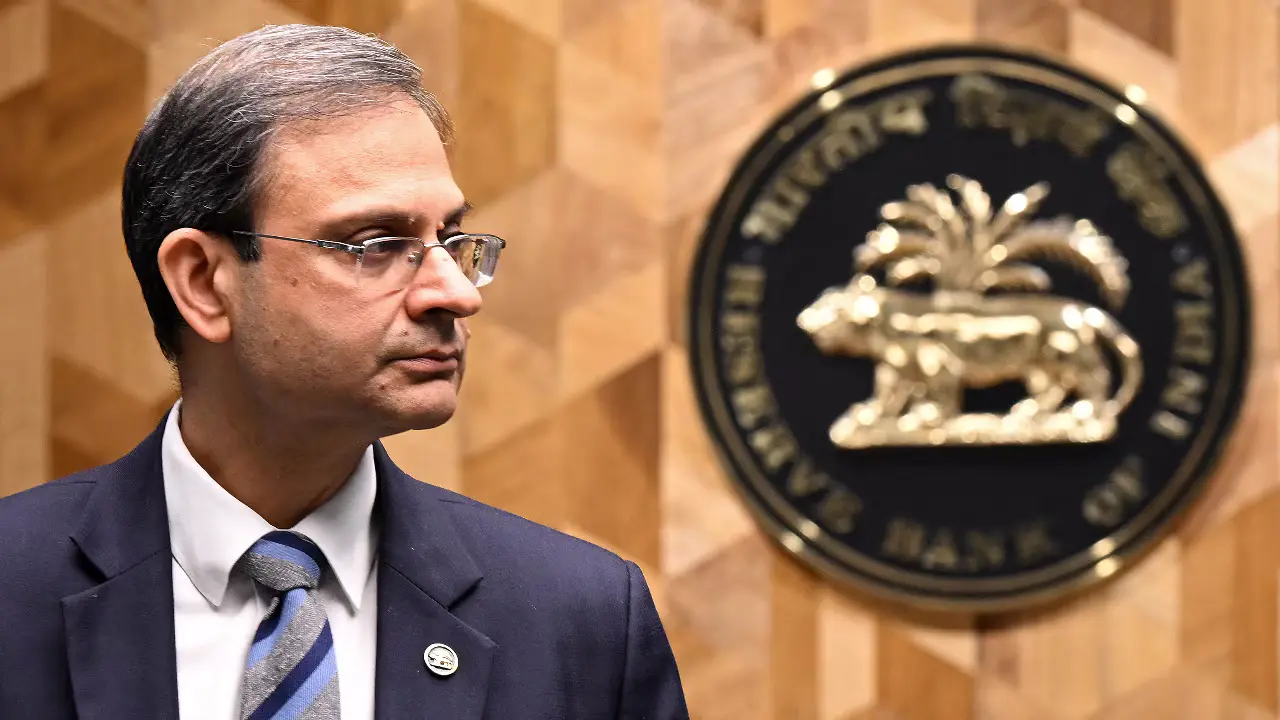
The Reserve Bank of India (RBI) Governor, Sanjay Malhotra, recently made a significant projection: India is poised to become the world’s third-largest economy in the near future. This confident outlook, shared during a financial inclusion campaign, is not based on a single factor but a convergence of robust GDP growth, a resilient domestic market, and a massive push towards financial inclusion. This trajectory, if maintained, holds profound implications for investors, businesses, and every Indian citizen.
The Indian economy continues to be a global outlier, consistently posting strong growth figures even as major economies worldwide grapple with headwinds like inflation and geopolitical instability. The recent Q1 FY26 GDP growth print of 7.8% has solidified India’s position as the fastest-growing major economy. This momentum is largely powered by a services sector that has been firing on all cylinders, registering a robust 9.3% growth. Unlike many export-led economies, India’s growth is primarily driven by strong domestic consumption, making it more resilient to external shocks. This homegrown strength, coupled with a buoyant private investment cycle, is what underpins the RBI Governor’s optimistic forecast. The country’s financial markets have also reflected this confidence, attracting significant foreign direct investment (FDI) and showcasing the growing maturity and depth of Indian capital markets.
Expert Opinions
According to analysts, the RBI Governor’s projection is a testament to the success of long-term policy initiatives. The most impactful of these is the Pradhan Mantri Jan Dhan Yojana (PMJDY), a scheme that has opened over 55 crore accounts and is credited with being a key catalyst for financial inclusion. The integration of a vast, previously unbanked population into the formal financial system has not only provided a safety net through savings, pensions, and insurance but also unleashed a new wave of consumption and economic activity. This increased access to credit and formal banking channels is a crucial step towards monetizing India’s demographic dividend.
Former RBI Deputy Governor Michael Patra has also highlighted that India’s growth is largely self-financed by domestic resources, reducing its reliance on foreign capital. This structural strength, combined with a government focused on capital expenditure (capex) and a visible rebound in rural demand, creates a virtuous cycle of growth. However, experts also note that corporate investment, while showing green shoots, needs to accelerate further to push the growth rate beyond the current trajectory of 6.5-7%. The government’s continued focus on structural reforms, such as the next-generation GST and initiatives like the “PM Viksit Bharat Rozgar Yojana,” will be critical in sustaining this momentum and addressing potential headwinds like global trade tensions and the ongoing need for job creation.
“India’s demographic dividend, coupled with the success of financial inclusion initiatives like Jan Dhan, is unlocking a powerful engine of economic growth that is both inclusive and sustainable,” said a chief economist at a leading global investment bank.
Impact on Investors
The prospect of India becoming the world’s third-largest economy is a powerful narrative for investors, signaling long-term stability and a massive runway for growth. For both domestic and foreign investors, this creates several opportunities:
1. Sectoral Opportunities: The growth story is not uniform. Investors should focus on sectors that are direct beneficiaries of rising domestic consumption and financial inclusion. This includes banking and financial services, consumer discretionary goods, real estate, and infrastructure. The continued penetration of digital payments via UPI and other platforms creates significant opportunities in the fintech space.
2. Rise of the Middle Class: As incomes rise and more people are brought into the formal economy, the consumption pattern shifts from physical assets like gold and real estate towards financial assets like mutual funds and equities. A recent Goldman Sachs report projects that household financial savings could average around 13% of GDP over the next decade. This “financialization of savings” will inject trillions of dollars into the capital markets, providing a stable, long-term funding source for companies.
3. Global Positioning: As India’s economic stature grows, it will command a greater say in global economic policies. This enhances its position as a key destination for global supply chains and a reliable partner in a world grappling with geopolitical shifts. For foreign investors, India presents a compelling alternative to economies facing structural slowdowns.
However, investors should also be mindful of the risks. Inflation management remains a crucial challenge for the RBI. The global economic environment, while improving, is still fraught with uncertainties. Any significant disruption to global trade or commodity prices could impact India’s growth trajectory.
The RBI Governor’s projection is not just a statement of ambition but a data-backed acknowledgment of India’s robust economic fundamentals. The journey from the fifth to the third-largest economy will be powered by a combination of targeted government policies, a resilient domestic market, and the widespread impact of financial inclusion. For investors, this trajectory presents a compelling long-term thesis. It’s a clear signal to look beyond short-term market fluctuations and instead focus on companies and sectors that are aligned with the country’s structural growth story. While challenges remain, the foundational strengths of the Indian economy provide a strong sense of confidence for the future.
Summary Box: Investor Takeaway
The RBI Governor’s forecast confirms India’s position as a global growth engine. The key drivers are strong GDP growth, powered by services and domestic consumption, and a significant push in financial inclusion. This creates a favorable environment for investors. We recommend a Buy on a long-term horizon, focusing on quality stocks in the banking, consumer, and infrastructure sectors that stand to benefit from the country’s ascending economic trajectory.