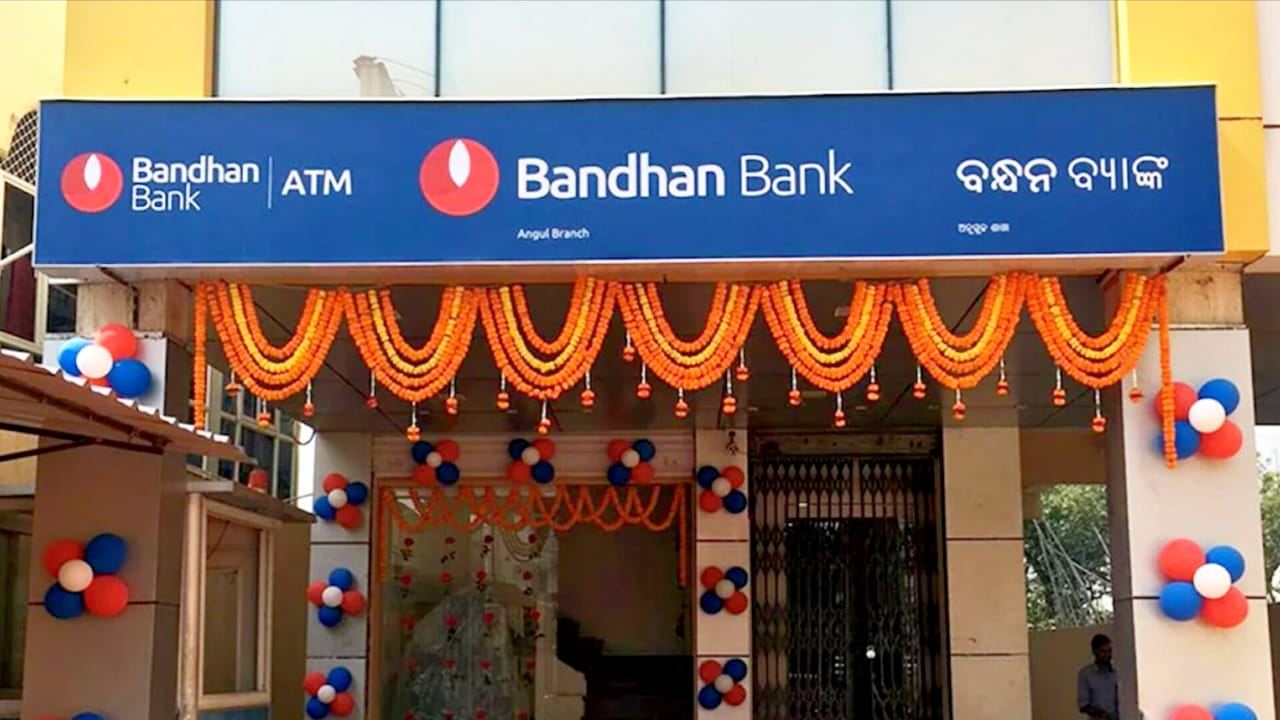
The Reserve Bank of India (RBI) has levied a monetary penalty of ₹44.70 lakh on Bandhan Bank for contraventions of regulatory norms. This action, following a statutory inspection of the bank’s financial position as of March 31, 2024, highlights the central bank’s unwavering commitment to ensuring compliance and maintaining the integrity of the Indian banking system. While the penalty amount is relatively small in the context of the bank’s scale, the nature of the breaches—specifically related to employee remuneration and manual data interventions without proper audit trails—raises important questions for investors about internal controls and governance.
Market Overview
The Indian banking sector, a cornerstone of the country’s economic growth, is currently under heightened scrutiny from the RBI. The central bank has been proactive in its supervisory role, imposing penalties on various lenders, both large and small, to enforce strict adherence to compliance and governance standards. This recent action against Bandhan Bank is part of a broader trend, signaling that no institution is immune to regulatory oversight. The market, in general, reacts to such news with caution, as it often reflects on a bank’s operational health and risk management framework. For investors, these events serve as crucial reminders to look beyond financial results and assess a bank’s underlying processes and regulatory track record. The Bandhan Bank stock has a history of volatility, and such developments can contribute to short-term price fluctuations as the market digests the news and its potential long-term implications.
Expert Opinions on the Regulatory Breach
According to analysts, the RBI’s findings against Bandhan Bank are significant, despite the modest penalty amount. The key issues identified were twofold. First, the bank paid remuneration to certain employees in the form of a commission, which is a direct contravention of Section 10(1)(b)(ii) of the Banking Regulation Act, 1949. This practice, if widespread, could pose risks to the bank’s operational stability and adherence to fair labor practices.
Second, and perhaps more critically from a governance perspective, the RBI found that the bank had carried out manual interventions through the back-end in respect of data of certain accounts and had not captured the audit trails or logs of access with specific user details in the system. This is a serious lapse, as it indicates a potential weakness in the bank’s IT infrastructure and internal controls. The absence of a proper audit trail can make it difficult to trace changes to account data, which is a fundamental requirement for maintaining data integrity and preventing fraudulent activities.
“The RBI’s action is a clear signal to all banks that lapses in governance and IT controls will not be tolerated. While the penalty on Bandhan Bank is not a material financial burden, the underlying issues of commission-based remuneration and lack of audit trails are a cause for concern regarding internal processes,” said a banking analyst from a leading brokerage.
Impact on Investors
The immediate impact on Bandhan Bank’s share price was minimal, as the market is accustomed to such penalties and the amount is not financially crippling. However, the news has a more profound, qualitative impact on investor sentiment. It brings to the forefront the importance of a bank’s corporate governance and risk management framework. For retail and high-net-worth individual (HNI) investors, this incident should prompt a deeper analysis of the bank’s operational strengths and weaknesses.
The regulatory breaches identified by the RBI could have a bearing on the bank’s long-term growth trajectory and operational efficiency. A bank that is under constant regulatory scrutiny may face restrictions on its business activities or be subject to more frequent audits, which could divert management’s focus and resources. Moreover, a perceived weakness in governance can erode investor confidence, potentially impacting the bank’s valuation over time. Investors should monitor how the bank addresses these issues and whether it takes concrete steps to rectify the identified deficiencies. The bank’s ability to demonstrate a robust and transparent compliance mechanism will be crucial for its future performance and to reassure its stakeholders.
While the ₹44.70 lakh fine on Bandhan Bank is not a catastrophic event, it is a significant regulatory message. The RBI is stepping up its efforts to ensure that banks operate with the highest standards of compliance, transparency, and internal controls. For Bandhan Bank, this serves as a wake-up call to strengthen its internal processes, particularly in IT governance and employee remuneration. For investors, the takeaway is clear: do not solely focus on balance sheets and profit and loss statements. A bank’s adherence to regulatory norms and its internal governance framework are equally, if not more, important indicators of its long-term health. A strong commitment to compliance is a non-negotiable factor for sustainable growth in the banking sector.
Summary Box: Investor TakeawayThe RBI’s fine on Bandhan Bank is a reminder that regulatory compliance is paramount. The small monetary penalty is less important than the underlying issues of poor audit trails and commission-based payments. Investors should maintain a Hold position on the stock for now and closely monitor the bank’s actions to address these governance lapses. Any significant deterioration in compliance could signal deeper problems, warranting an exit. A quick and decisive response from the management, demonstrating a commitment to strengthening internal controls, would be a positive signal for future growth