Steep duties effective today jolt India’s export engines – from textiles and auto parts to gems, jewellery and seafood – stoking fears of job losses and strained trade ties.
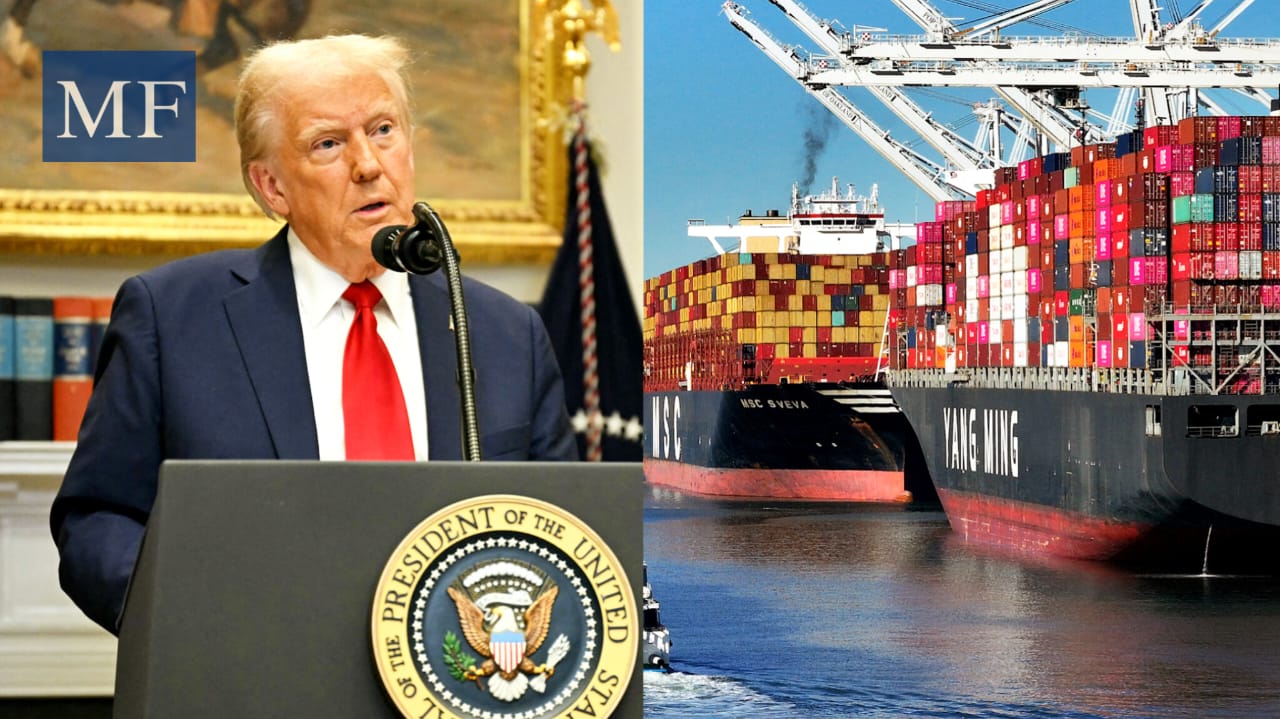
August 27, 2025: The United States on Wednesday enforced a steep 50% tariff on a broad range of Indian exports, doubling the existing duty rate in a move that threatens to derail key sectors of India’s economy. The unprecedented levy – among the highest ever imposed by Washington – hits goods from garments and auto components to gems, jewellery and marine products, effective immediatelyreuters.com. U.S. officials have cast the tariff hike as retaliation for New Delhi’s continued purchases of discounted Russian oilreuters.com, marking a flashpoint in trade relations between the world’s two largest and fifth-largest economies. With the U.S. being India’s biggest overseas market (buying over $85 billion of Indian goods last year)theguardian.com, the shockwaves from this tariff are expected to slam thousands of Indian exporters, imperil jobs, and dent India’s growth prospects, analysts say.
Context
This steep tariff escalation caps months of strained dialogue. Washington and New Delhi held multiple rounds of trade talks since April, but negotiations collapsed over stubborn differences – from U.S. demands to open India’s dairy and agriculture markets, to American ire at India’s rising imports of Russian crudereuters.comreuters.com. In July, the U.S. had first imposed a 25% tariff on Indian goods as part of President Donald Trump’s push for “reciprocal” trade terms, citing India’s high trade barriers and a $45.8 billion U.S. trade deficit with India in 2024reuters.com. When India refused to curb Russian oil buys – which now make up about 35–40% of its crude imports, up from virtually nil before the Ukraine warreuters.comreuters.com – Washington swiftly doubled down. An additional 25% duty was announced in early August and kicked in on August 27, taking total U.S. tariffs on many Indian shipments to a punitive 50%reuters.comreuters.com.
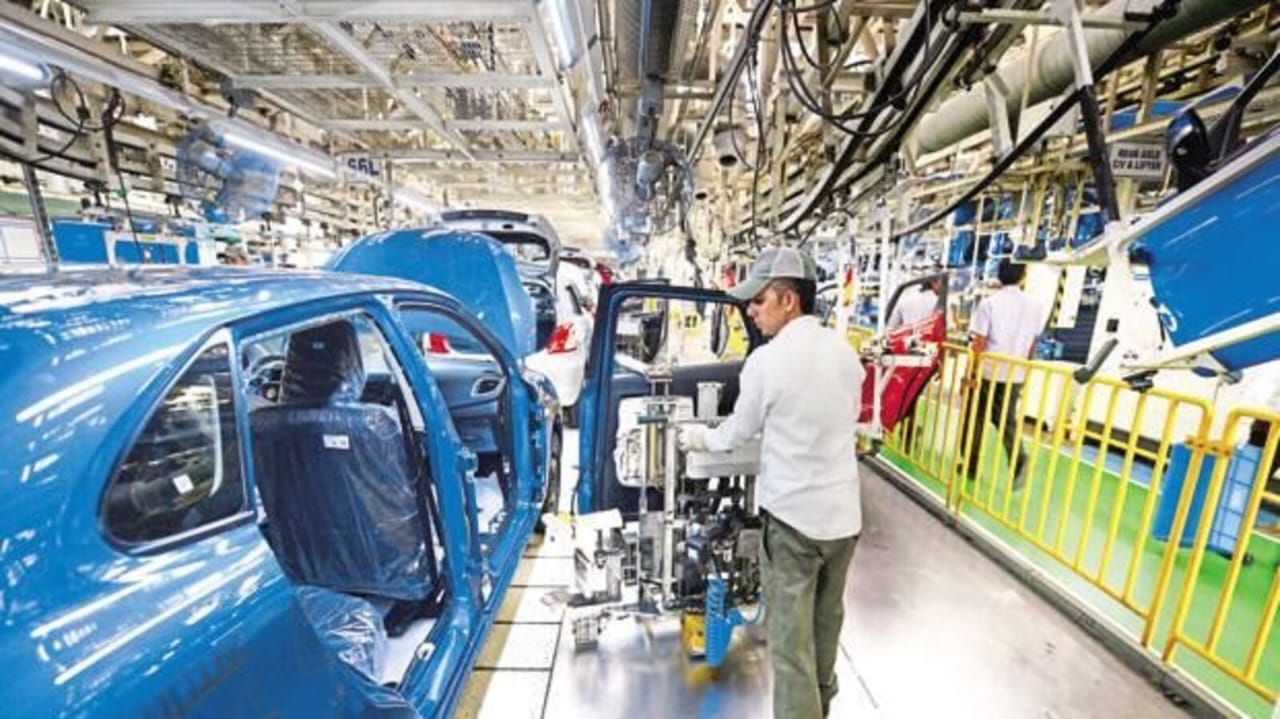
The breadth of products targeted is striking. The tariff covers a wide spectrum of Indian exports, from textiles and apparel to furniture, leather, chemicals and engineering goodsreuters.com. Crucially, it strikes at labor-intensive industries long reliant on American demand. Gems and jewellery, for instance, form one of India’s largest export categories to the U.S. – about $10 billion last year (nearly 30% of the sector’s global sales)reuters.com. In Surat, Gujarat – where about 80% of the world’s diamonds are cut and polished – orders have already “started drying up” from U.S. buyers as the tariff shock shakes customer confidencereuters.com. Likewise, the U.S. is the top market for Indian seafood (notably shrimp), accounting for roughly $2.6 billion in annual salesreuters.com; exporters in coastal India say new orders are on hold as clients recoil at the higher costs. Auto parts makers also face a blow: the U.S. takes about $6.6 billion of Indian auto components annually, and while some high-end vehicle parts remain at a prior 25% duty, roughly half (for heavy trucks and equipment) will now see 50% tariffsreuters.com.
Not every industry is caught in the crossfire. The Trump administration spared sectors like smartphones, pharmaceuticals and energy – acknowledging their importance to U.S. consumers. Electronics (such as India-made iPhones) and generic drugs will remain duty-free for nowreuters.comreuters.com. These exemptions mean about 30% of India’s exports to the U.S. – worth $27.6 billion, including pharma, electronics and refined petroleum – still face no new dutytheguardian.com. Even so, the tariff onslaught covers the majority of India’s U.S.-bound goods by value. Exporter groups estimate roughly 55–70% of shipments (over $50 billion worth) could be affectedreuters.comreuters.com. Virtually overnight, Indian products in many categories have become drastically more expensive for American buyers – jeopardizing India’s competitive edge in its largest market.
Trade experts note that this is one of the harshest trade penalties the U.S. has ever inflicted on a major economy. By lifting duties to 50%, Washington now subjects India to tariff levels on par with those faced by adversaries like China and Brazilreuters.com. Indian ministers have decried the move as unjust singling-out – arguing that U.S. allies in Europe and Asia import far more Russian oil without such punishmenttheguardian.com. New Delhi also fears the tariffs could push it closer toward trade partners like Moscow and Beijing, straining the strategic alignment with Washingtontheguardian.com. “It’s a lose-lose situation – a textbook own goal,” said one Indian official privately, lamenting that years of painstaking U.S.-India rapprochement are now at risktheguardian.com. Nonetheless, India’s government has stood firm on its Russia policy. Prime Minister Narendra Modi refused to halt Russian oil purchases and instead urged Indians to “buy local” to weather the pressure. “Pressure on us may increase (from the tariffs), but we will bear it,” Modi said, exhorting a “Made in India” push in responsetheguardian.com.
Analysis
For India, the immediate economic fallout of the 50% tariff is severe. The U.S. market accounts for nearly one-third of India’s export revenue in key sectors like textiles, jewellery and leather goodstheguardian.com. Slashing access to that market is akin to “shutting off the oxygen” for many firms. Upasna Bhardwaj, chief economist at Kotak Mahindra Bank, estimates that after factoring exemptions, the average effective tariff rate still jumps to about 31% – a level that, if prolonged, would cause “major disruption in the labour-intensive sectors like gems and jewellery, textiles,” which have a high share of micro, small and medium enterprisesreuters.com. Kotak projects an annualised hit of $25–50 billion to exports from the tariff hike, and roughly a 20–30 basis point drag on India’s GDP growth if the standoff persistsreuters.com. In effect, up to 0.3 percentage points of GDP could be shaved off for each tranche of 25% tariff applied, according to Goldman Sachs’ calculationseconomictimes.indiatimes.com. Research firm Capital Economics predicts a full 50% duty on all affected goods could lop around 0.8 percentage points off India’s growth in both this year and nextreuters.com – a significant setback for an economy previously expected to grow ~6.5%.
Beyond macro metrics, the pain will be concentrated in certain industries and regions. Thousands of small-scale exporters and artisans stand to lose business. “At a 50% tariff, it is very difficult to export,” warned Santanu Sengupta, chief India economist at Goldman Sachs, who said sustained duties could pull India’s GDP growth below 6% (from ~6.5%)theguardian.com. Rival supplier nations such as Turkey, Thailand, Vietnam and Bangladesh are already seizing the opening, courting U.S. importers with cheaper alternativestheguardian.commoneycontrol.com. In fact, Bangladesh reportedly secured a deal capping U.S. tariffs at 20% for its own exportsmoneycontrol.com, leaving Indian textiles at a stark disadvantage. The Federation of Indian Export Organisations (FIEO) reported that textile and apparel manufacturers in hubs like Tirupur, Surat and Delhi have started halting production as their cost-competitiveness evaporatestheguardian.com. “Indian goods have been rendered uncompetitive compared to competitors from China, Vietnam, Cambodia and others,” FIEO President S.C. Ralhan said, urging urgent remedial measurestheguardian.com.
Corporate earnings are likely to suffer in export-focused sectors. Brokerage Jefferies warns that a large majority of India’s $87 billion in U.S. goods exports (roughly 2.2% of India’s GDP) is now “potentially at risk”economictimes.indiatimes.com. Morgan Stanley estimates about 67% of India’s exports to the U.S. – roughly $58 billion worth – now face the 50% tariff, putting India alongside Brazil with the world’s steepest trade barrierseconomictimes.indiatimes.com. Only about 30% of shipments (mainly pharma and electronics) remain untouchedeconomictimes.indiatimes.com. If all exports were truly subjected to 50% duty, Morgan Stanley analysts calculate a direct growth hit of ~60 bps (0.6%) of GDP, with a similar indirect hit through multiplier effects over a yeareconomictimes.indiatimes.com. Even under a slightly softer scenario (tariffs effectively hitting two-thirds of exports), the total GDP impact could be ~0.8% (80 bps)economictimes.indiatimes.com. Some economists liken the U.S. action to a de facto trade embargo. Nomura analysts cautioned that a sustained 50% tariff would be “similar to a trade embargo” for India, causing a “sudden stop” in affected exports and devastating thinner-margin businesses in sectors like textiles and gemseconomictimes.indiatimes.com. Sujan Hajra, chief economist at Anand Rathi, likewise noted up to 2 million Indian jobs could be at risk in the near term, and warned the trade deficit may widen by 0.5% of GDP with growth dipping about 0.5 percentage pointsreuters.com. Still, Hajra added that India’s diversified export base and robust domestic demand could “cushion the blow” to some extent, preventing outright recessionreuters.com.
Policy reactions are already in motion. India’s commerce ministry officials concede they expected no last-minute reprieve from Washingtonreuters.com. “The government has no hope for any immediate relief or delay in U.S. tariffs,” one senior official told Reuters, adding that authorities are readying financial aid for affected exporters and urging them to diversify to new marketsreuters.com. The government has identified around 50 alternative countries – from Latin America to the Middle East and Asia – where Indian firms could try to redirect exports like textiles, leather and marine goodsreuters.com. Emergency support measures include extra subsidies on bank loans, higher insurance coverage, and interest subvention for export creditreuters.com. However, as exporter groups have pointed out, finding substitute markets on short notice is challenging – global demand is uncertain, and domestic consumption cannot absorb the surplus for specialized export productsreuters.com. “Exporters see limited scope for diversifying to other markets or selling in the domestic market,” the official admitted franklyreuters.com.
India’s central bank and fiscal authorities may also step in if the situation deteriorates. Morgan Stanley’s Upasana Chachra expects the Reserve Bank of India (RBI) to shift away from its current cautious stance and consider stimulus: “We expect RBI to undertake further rate easing, with potentially two additional 25 bps cuts beyond our base case,” she wrote, noting that monetary support might be warranted to buffer growtheconomictimes.indiatimes.com. On the fiscal side, a pause in deficit-cutting efforts is likely – the government could boost public capex and offer tax breaks to support domestic demand and at-risk sectorseconomictimes.indiatimes.com. New Delhi has already floated the idea of production-linked incentives and higher duty rebates for exporters to help them stay competitive. Still, such measures can only partially offset the loss of the U.S. market. In essence, India faces a difficult balancing act: absorbing a trade shock without derailing its recovery, while navigating a fraught geopolitical standoff.
Market reaction underscores the gravity of the issue. Ahead of the tariff implementation, Indian stocks and currency took a hit. The BSE Sensex slid about 1% (849 points) on Tuesday to close at 80,876, its sharpest single-day drop in three monthstheguardian.com. The broader Nifty 50 index likewise fell 1%, with export-heavy sectors underperforming. The rupee sank to ₹87.68 per US dollar, a three-week low, as forex traders braced for potential fallout on India’s trade balancereuters.com. Yields on government bonds dipped slightly on expectations the RBI might cut rates to support growth. “Washington’s 50% tariff is a jolt, but hardly a knockout,” observed Sujan Hajra of Anand Rathi, noting that while external metrics (trade gap, rupee) would weaken in the short run, India’s domestic-driven economy provides a cushionreuters.com. In global markets, investors are weighing whether this escalation could hit U.S. retailers (who rely on Indian suppliers for everything from apparel to auto parts) or fuel inflation for certain goods. Thus far, the consensus is that while manageable at a macro level, the tariffs inject new uncertainty into an already fragile global trade climate.
Expert Commentary
Industry veterans and economists are warning of lasting repercussions if the tariff impasse isn’t resolved quickly. Teresa John, lead economist at Nirmal Bang, estimates an annualised impact of about $36 billion (0.9% of GDP) from the tariffs, and cautions that “the pressure is mounting on India to come to a deal at the earliest as the impact on jobs and on growth in labour-intensive sectors like textiles and gems and jewellery is quite significant”reuters.com. She notes reports of factory shutdowns and inventory build-ups, as unsold goods meant for the U.S. are dumped into the domestic market at distress pricesreuters.com. Upasna Bhardwaj of Kotak Mahindra Bank points out that India’s export sector is dominated by micro, small and medium enterprises (MSMEs), which have limited buffers. “The high MSME share in exports means the tariff shock will weigh on employment and cloud the consumption outlook,” Bhardwaj said, adding that if the 50% rates persist through the year with no deal, “major disruption” in sectors like apparel, gemstones and leather is likelyreuters.com. She quantifies the risk to India’s GDP at roughly 20–30 bps downside to the current 6.2% growth estimatereuters.com.
Foreign research houses have sounded alarms as well. Nomura Holdings economists Sonal Varma and Aurodeep Nandi described the 50% tariff as “akin to a trade embargo”, predicting it will lead to a “sudden stop” in affected Indian exportseconomictimes.indiatimes.com. They warn that many smaller Indian manufacturers operate on thin margins and low value-add, and could be pushed to the brink of closure if cut off from the U.S. marketeconomictimes.indiatimes.com. “This will be devastating for small firms in textiles, gems, footwear etc., which can’t easily pivot to other markets,” Nomura noted, adding that India now faces tariff burdens comparable to China’s and far higher than those on ASEAN countries (where U.S. import duties average ~20%)economictimes.indiatimes.com.
Banks are revising their outlooks too. Barclays India chief economist Aastha Gudwani estimated that about 70% (≈$55 billion) of India’s exports to the U.S. are “now under serious threat, accelerating downside risks to growth.”reuters.com “From a ‘good friend’ to a ‘bad trading partner’, it has come a long way,” she quipped, reflecting the deteriorating sentimentreuters.com. SBI Research, in a note, struck a slightly contrarian tone – suggesting that Trump’s aggressive stance is part of “negotiation theatre”. “Trump is posturing to arm-twist and carve out the best possible deal… Ultimately, some midway solution has to be arrived at so that both countries’ interests are taken care of,” wrote SBI economists, urging calm and predicting the tariffs might be rolled back if India offers concessionseconomictimes.indiatimes.com. Still, they acknowledged the near-term damage: SBI estimates India’s current account deficit (CAD) could widen and the rupee may face bouts of weakness, while specific export industries could see earnings downgrades.
Market strategists, meanwhile, advise investors to tread carefully. Emkay Global’s Seshadri Sen warned of a possible “short-term vicious cycle” – higher tariffs hit exports, which spooks investors, leading to foreign portfolio outflows, rupee depreciation, and an equity correctioneconomictimes.indiatimes.com. However, Sen believes this pain will be “short-lived” if policy support kicks in and a deal is negotiatedeconomictimes.indiatimes.com. Kunal Kundu of Societe Generale noted that India’s services exports (like IT outsourcing) remain untouched – a silver lining that could keep overall export earnings resilient. “It’s goods trade taking a hit, but services (about $250 billion annually) are unaffected – that’s a buffer for India’s external balances,” Kundu said in a televised interview [[DATA NEEDED]].
Crucially, voices across the spectrum emphasize that jobs and social impact cannot be ignored. Radhika Rao, senior economist at DBS Bank, highlighted that while direct exports to the U.S. are around 2.3% of India’s GDP, the second-order effects on employment and sentiment are disproportionately largereuters.com. “Signs of downside risks to growth will also draw in the central bank… alongside efforts to seek alternate markets and trade deals,” Rao observed, adding that the door for negotiations might reopen later in the year if both sides temper their stancesreuters.comreuters.com. Rajeshwari Sengupta, associate professor at IGIDR, argued this episode should spur India to pursue a more proactive trade policy globally. “The government should adopt a more trade-oriented, less protectionist strategy to boost demand… FTAs with multiple countries, lowering tariffs and non-tariff barriers could support trade and FDI,” she told MoneyFint, suggesting that India turn this crisis into an opportunity to integrate more with world marketsreuters.com.
Retail Investor Impact
For retail investors, the U.S.-India tariff tussle has immediate and potential long-term implications. In the near term, it has injected volatility into Indian equity and currency markets, which can rattle portfolio values. As noted, the benchmark Sensex and Nifty indices fell ~1% each on the eve of the tariffs, logging their steepest drop in monthsreuters.com. Shares of export-driven companies bore the brunt – textile manufacturers, apparel exporters, jewelers, and seafood suppliers saw sharp declines as traders reacted to looming order cuts. For example, Gokaldas Exports, a leading garment exporter, plunged over 9% in two days this week, given that nearly 70% of its revenue comes from U.S. clientsmoneycontrol.com. Peers like Indo Count Industries, Welspun Living, KPR Mill and others skidded 4–6%, while major shrimp exporter Avanti Feeds and seafood stocks also dipped on fears of lost salesmoneycontrol.commoneycontrol.com. These sectoral slumps directly affect investors holding such stocks or mutual funds with heavy export-sector allocations. The rupee’s slide to record lows (breaching ₹87.5 per $) adds another layer of risk – a weaker rupee can lift import costs and inflation, potentially eroding real returns on domestic assets if it persists.
Foreign Institutional Investors (FIIs) have turned cautious amid the trade tension. Market data shows FIIs were net sellers in Indian equities this week, trimming exposure especially in sectors most exposed to U.S. demand (textiles, specialty chemicals, auto ancillaries). Some of this is short-term money reacting to headlines, but sustained outflows could put further pressure on stock prices and the rupee. On the flip side, domestic institutional investors (DIIs) – such as insurance companies and pension funds – have been stepping in to buy the dips, providing some support. Analysts at Emkay Global advise retail participants to avoid panic and focus on fundamentals. “Look through the near-term volatility. Trying to trade this uncertainty is risky,” Emkay noted, suggesting investors minimize exposure to export-oriented stocks for now and tilt toward companies driven by domestic consumptioneconomictimes.indiatimes.com. Sectors like banking, infrastructure, FMCG, and domestic retail are largely insulated from U.S. tariff issues and could continue to perform steadily, they added.
There may also be an opportunity for long-term investors amid the turmoil. If the broader market corrects significantly (say, over 5% from recent highs), valuation becomes attractive for quality blue-chip stockseconomictimes.indiatimes.com. Investors with a longer horizon could selectively “buy the dip”, especially in sectors that have sold off due to tariff fears but retain strong fundamentals. For instance, if an eventual U.S.-India compromise seems likely, beaten-down export stocks might rebound sharply – rewarding those who picked them up at distressed prices. However, this strategy requires conviction that the dispute will be resolved; if the trade war drags on, export-dependent firms could face prolonged pain.
From a personal finance perspective, retail investors should also be mindful of indirect impacts. A hit to export industries could lead to job losses or wage cuts in those sectors, which in turn might affect consumer spending and demand in the economy. If one works in or has business with affected industries, precautionary savings might be prudent until clarity emerges. There’s also a macro angle: should the tariff shock slow India’s GDP growth or widen the fiscal deficit (due to stimulus measures), it could influence interest rates and inflation. Some experts predict the RBI may cut interest rates to bolster growtheconomictimes.indiatimes.com, which could lower returns on fixed deposits but benefit borrowers (home loan and business loan rates might ease). Conversely, if the rupee remains under pressure, the central bank might intervene by selling dollars or pause rate cuts to avoid capital flight – a dynamic that bears watching for those with forex exposure or planning overseas travel/education.
In summary, retail investors are advised to stay vigilant but not alarmist. A diversified portfolio with a mix of domestic-focused stocks, quality bonds, and perhaps exposure to U.S. or global markets (to hedge India-specific risk) can provide balance. This episode highlights the importance of global events on Dalal Street – even a trade policy decision in Washington can ripple through Indian assets. Savvy investors will monitor developments (trade talks, any concessions or retaliations) closely. While short-term sentiment is hit, India’s long-term growth story remains intact, many analysts say, given its large internal market. As one fund manager quipped, “If tariffs knock the market down a bit more, it might be the sale of the season for patient investors.” [[DATA NEEDED]] In the meantime, caution and sound risk management – not knee-jerk reactions – are the watchwords for India’s small investors navigating this storm.
What’s Next
All eyes are now on the diplomatic front to see if the U.S. and India can pull back from the brink of an all-out trade war. Negotiations are expected to resume through back-channels in the coming days. Notably, Washington’s tariff notice included a small olive branch: goods already in transit to the U.S. before the deadline are exempted for the next three weeksreuters.com. This grace period – effectively until mid-September – gives both sides a brief window to hammer out a compromise before those shipments arrive at U.S. ports. Indian officials confirm that talks with the U.S. are ongoing despite the public hard linereuters.com. “We are two big countries, we need to have conversations… the lines are not cut,” External Affairs Minister S. Jaishankar said, emphasizing that dialogue continues even as tariffs bitetheguardian.com. The coming weeks may see intense bargaining. Possibilities floated include India offering to scale back Russian oil imports somewhat, or to open certain sectors (like defense procurement or additional agricultural quotas) to U.S. companies as a trade-off, in exchange for tariff relief. Washington, for its part, might be satisfied with partial concessions that it can tout as a win, and could suspend or roll back the tariffs if India shows “good faith” adjustments.
Several key events and forums loom on the calendar which could facilitate a thaw. In late September, top trade envoys from both nations are likely to meet on the sidelines of the UN General Assembly in New York, which could provide an opportunity for dialogue. Additionally, a Quad leaders’ summit (bringing together the U.S., India, Japan, and Australia) is scheduled later this yearreuters.com – Prime Minister Modi and President Trump may come face-to-face there, if not sooner, and the tariffs will surely be high on the agenda. Diplomats on both sides will also leverage multilateral platforms like the World Trade Organization (WTO): India is expected to raise the issue at the WTO, arguing the U.S. tariffs violate trade norms. (However, U.S. officials could justify the move under national security or “reciprocal action” exceptions, making the legal path tricky.) If the dispute isn’t resolved, India could contemplate retaliatory tariffs on select U.S. goods – for instance, higher duties on American agricultural products (like apples, almonds) or tech imports – something it has done on a smaller scale in past spats. So far, New Delhi has held off on any tit-for-tat measures, likely hoping to de-escalate rather than escalate. But pressure is mounting domestically for a firm response if Washington remains unyielding.
Meanwhile, the Indian government is preparing safety nets for a prolonged friction. Commerce ministry officials indicate that a comprehensive support package for affected exporters will be unveiled if the tariffs aren’t lifted soonreuters.comreuters.com. This may include tax relief, export incentives, and increased credit guarantees to prevent bankruptcies in vulnerable industries. The next few weeks will also reveal how U.S. businesses and consumers react – if American companies report supply disruptions or higher prices due to the tariffs, it could spur U.S. industry lobbies to urge the White House to find a settlement. Already, early signs of global supply chain shifts are visible: sources say some U.S. retailers are rushing to source apparel and auto parts from alternate countries in Asia to avoid the tariffstheguardian.com. India will be keen to limit long-term damage and avoid ceding its export market share permanently to competitors.
Economically, a major watchpoint will be India’s upcoming monetary and fiscal policy meetings. The RBI’s next policy review in early October will likely address the trade shock in its growth and inflation projections; any rate cut or liquidity measures could hinge on how the tariff situation unfolds. Similarly, as India heads into budget planning for the next fiscal year (early 2026), policymakers will factor in external headwinds – possibly budgeting for higher export incentives or lower tax revenue from affected sectors. Companies too will adjust: expect earnings downgrades from firms with high U.S. exposure, and perhaps corporate strategy shifts (like setting up assembly in tariff-friendly countries). For example, some Indian jewellery exporters are reportedly planning to route shipments via their subsidiaries in Thailand or Indonesia (which face lower U.S. tariffs) to circumvent the dutiesreuters.com. Auto component makers might expedite moves to Mexico or Vietnam to retain U.S. business.
On the geopolitical stage, this tariff tussle could recalibrate relationships. India has hinted it will deepen ties with Russia and China as a counterweight – Modi is slated to visit China for the SCO summit and host President Putin later this yeartheguardian.com. At the same time, both India and the U.S. have strong incentives not to let trade disputes poison their broader strategic partnership, which spans defense, technology, and Indo-Pacific security. U.S. officials this week stressed their “eagerness to continue enhancing” the bilateral relationship despite the tariff issuereuters.com. The two sides issued a joint statement reaffirming commitment to cooperation in areas like defense and energyreuters.com – a sign that behind the scenes, they are compartmentalizing the trade fight from other ties.
In the near term, a potential off-ramp could be a partial deal: for instance, the U.S. might agree to drop the additional 25% oil-related tariff (bringing rates back to 25%) if India caps or gradually reduces its Russian oil intake, or agrees to purchase a certain volume of American oil/gas instead. India might also consider lowering some of its own tariff walls (on items like U.S. agricultural goods or medical devices) to placate Washington. Any such compromise would likely come with both sides saving face – perhaps a “reciprocal trade agreement” that addresses some U.S. concerns while officially ending the punitive tariff. If no agreement is reached in the coming weeks, the 50% tariffs could become the new normal well into 2026, until either Trump’s term ends or a deal is struck. That scenario would mean sustained pain for India’s export sector and possibly more frequent market volatility.
For now, stakeholders are in a wait-and-watch mode. The next indicator will be whether U.S.-India trade talks quietly resume and yield progress before the three-week shipping exemption runs out. Any positive whispers could cheer markets; conversely, if rhetoric hardens (e.g. talk of expanding tariffs further), it may spook investors and businesses alike. The situation remains fluid, but one thing is clear: resolving this tariff tangle has become an urgent priority to prevent a rupture in U.S.-India economic relations. As an Indian official summed up, “We’ve built a solid strategic partnership over decades. Neither side can afford to let it slip – ultimately, some middle ground will have to be found.” economictimes.indiatimes.com