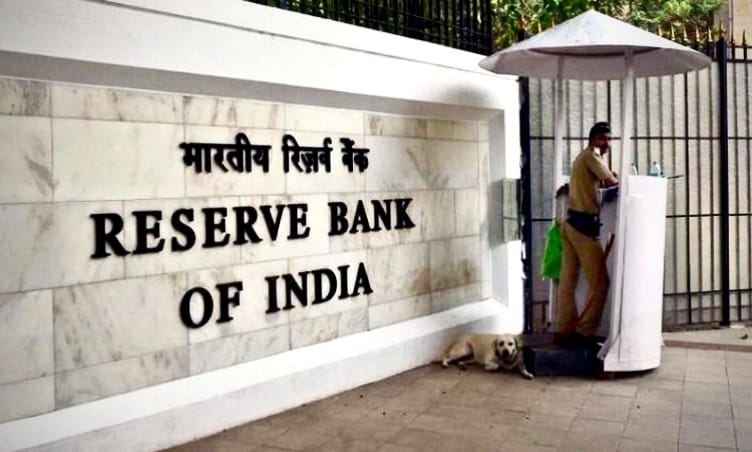
India’s central bank extended maximum export credit to 450 days on November 14, doubling the previous limit as the country’s largest exporters face margin compression from Washington’s 50 percent tariffs imposed August 27.
The Reserve Bank of India’s four-pronged relief package addresses the most acute trade crisis since 2008. With roughly two-thirds of India’s $87 billion in annual US exports now subject to punitive duties, viable exporters risk slipping into non-performing asset status that would destabilize the banking system. The RBI’s action targets working capital seizures, payment delays exceeding 90 days, and borrower accounts deteriorating under extended payment cycles that have lengthened from weeks to month.
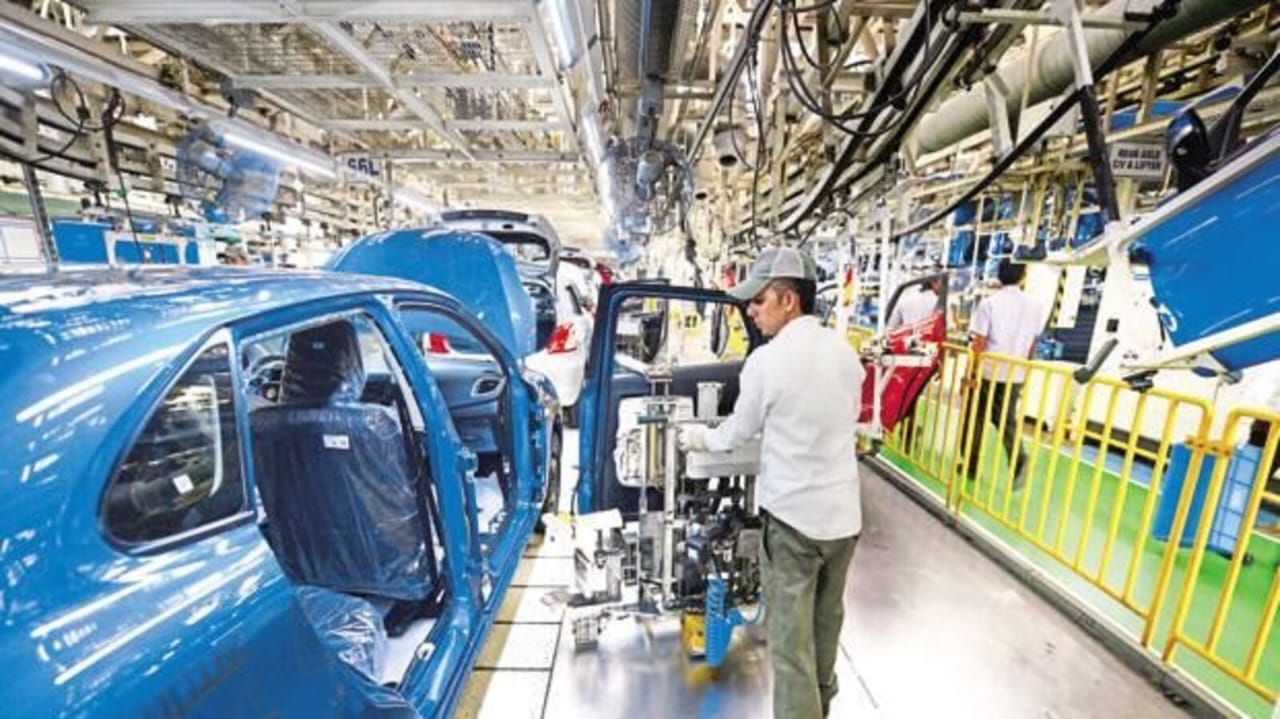
September exports to the United States fell 11.93 percent to $5.46 billion, the first full month under tariffs, according to commerce ministry data. Textile and apparel shipments dropped 10.34 percent to $2.621 billion in the same month. One-third of Indian textile exporters reported turnover collapses exceeding 50 percent, according to the Confederation of Indian Textile Industry’s October survey. The sector, which generated $21.36 billion in FY24 exports, shipped $2.93 billion in August 2025—down 2.73 percent year-on-year despite new orders historically arriving before tariffs took effect.
The extended 450-day credit window replaces the previous 270-day standard. Export realization timelines stretched from nine months to fifteen months, allowing exporters to remit foreign earnings despite delayed payments and logistics bottlenecks. Shipment deadlines against advance payments extended from one year to three years. Pre-shipment and post-shipment credit disbursed through March 31, 2026, now carries the extended repayment window, preventing asset deterioration as payment cycles lengthened.
A four-month moratorium on term loan repayments and working-capital interest running through December 31, 2025, takes effect immediately. Accrued interest converts into funded interest term loans repayable by September 30, 2026. Accounts retain “Standard” classification despite payment deferrals. Lenders maintain 5 percent general provisions against deferred accounts, preventing non-performing asset classification that would trigger cascading effects across the banking system.
The relief applies to twenty designated sectors: organic chemicals, textiles, leather, footwear, electrical machinery, plastics, and others. Eligibility requires three conditions: sector engagement, outstanding export credit as of August 31, 2025, and “Standard” account classification, deliberately excluding already-stressed borrowers whose accounts cannot be rescued.
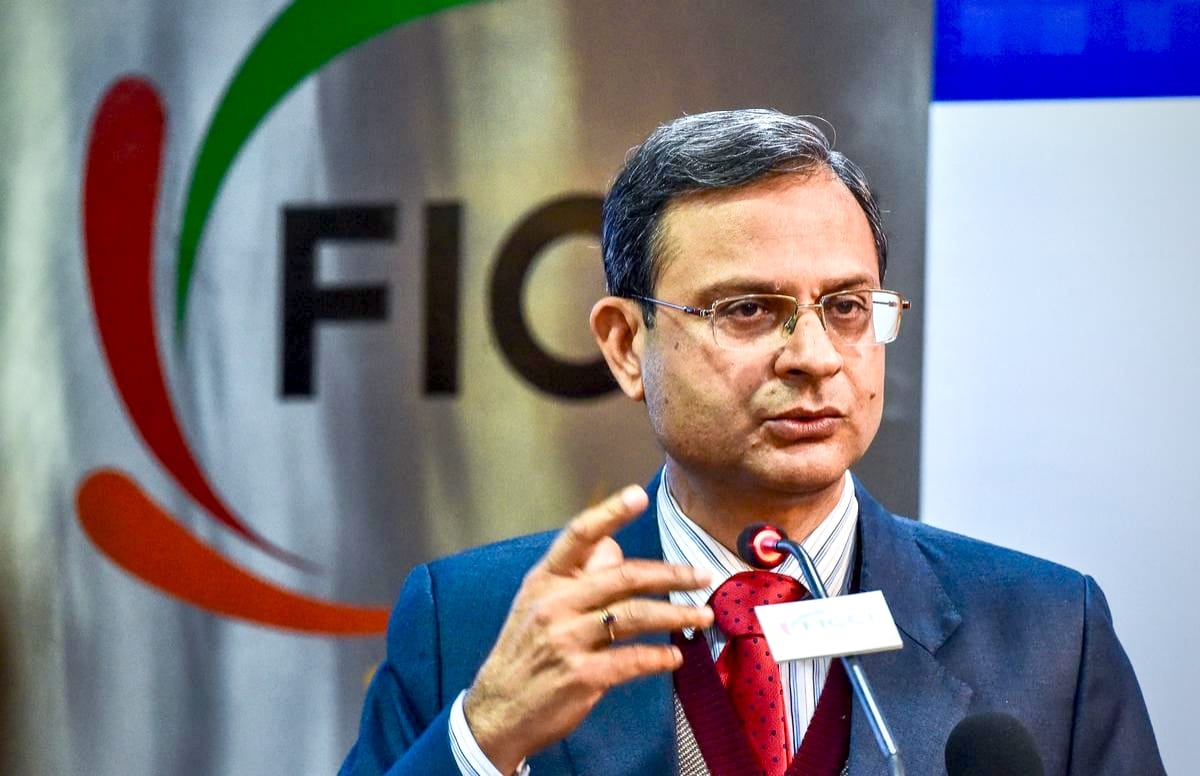
“The regulatory measures coupled with the Government’s credit guarantee scheme could provide liquidity relief and help exporters ride out near-term pressure from deferred orders or payments,” said Anil Gupta, Senior Vice President and Co Group Head of Financial Sector Ratings at ICRA Ltd. “Large-scale moratorium uptake could pressurize bank asset quality if lenders classify deferred credits as restructured accounts, though 5 percent provisioning should prove manageable for near-term profitability,” Gupta added.
The government approved ₹45,060 crore across six fiscal years in its parallel Export Promotion Mission on November 12. The Cabinet allocated ₹20,000 crore in credit guarantees through the Credit Guarantee Scheme for Exporters and ₹25,060 crore for affordable trade finance, logistics, and market support. This integrated fiscal-monetary response reflects recognition that tariff economics now require state-level intervention. US buyers are absorbing 25 percent duty increases or canceling orders entirely, eliminating exporters’ margin cushions.
“The extension provides great relief to the export trade,” said SC Ralhan, President of the Federation of Indian Export Organisations. “Exporters can now offer better credit periods to foreign buyers, and trade compliance will strengthen.” Ralhan noted that extended timelines align with practices among major trading nations, ensuring competitive parity.
Amnish Aggarwal, Head of Research at PL Capital, said the tariffs could reduce India’s GDP growth by 50 basis points, with textiles, gems, marine products, and chemicals facing acute pressure. Global Trade Research Initiative founder Ajay Srivastava documented that India’s exports to the United States collapsed 37.5 percent during May-September 2025, from $8.8 billion to $5.5 billion, destroying $3.3 billion in shipment value.
Historical parallels matter here. Veteran export analysts who managed businesses through the 2008-09 crisis note current conditions exceed those pressures because tariffs show no signs of reversal, unlike temporary demand destruction during financial crises. India’s export machine then recovered within 18 months. Current recovery depends on supply chain diversification.
India-EU free trade agreement negotiations targeting completion by December 2025 offer one avenue, potentially recapturing $2-3 billion in annual textile exports if concluded by year-end. Southeast Asian markets present another option as buyers seek tariff-free alternatives to US-sourced goods. Yet whether exporters reorganize supply chains faster than margins compress remains uncertain.
The RBI’s extended credit window addresses immediate collapse but cannot reverse tariff economics. Banking system stability and exporter survival now depend on whether India executes trade diversification faster than the 450-day moratorium expires.